low maintenance stopper insertion tube
In the demanding world of pharmaceutical manufacturing, precision, reliability, and efficiency are paramount. Automated filling and stoppering processes are the backbone of sterile drug production, and the components within these systems play a critical role. Among these vital parts, the stopper insertion tube stands out for its direct impact on the integrity of the final product. Specifically, a low maintenance stopper insertion tube is highly sought after, promising consistent performance with minimal operator intervention and upkeep. This guide delves into the significance of these components, their applications, and what makes a stopper insertion tube truly 'low maintenance'.
Understanding the Stopper Insertion Tube
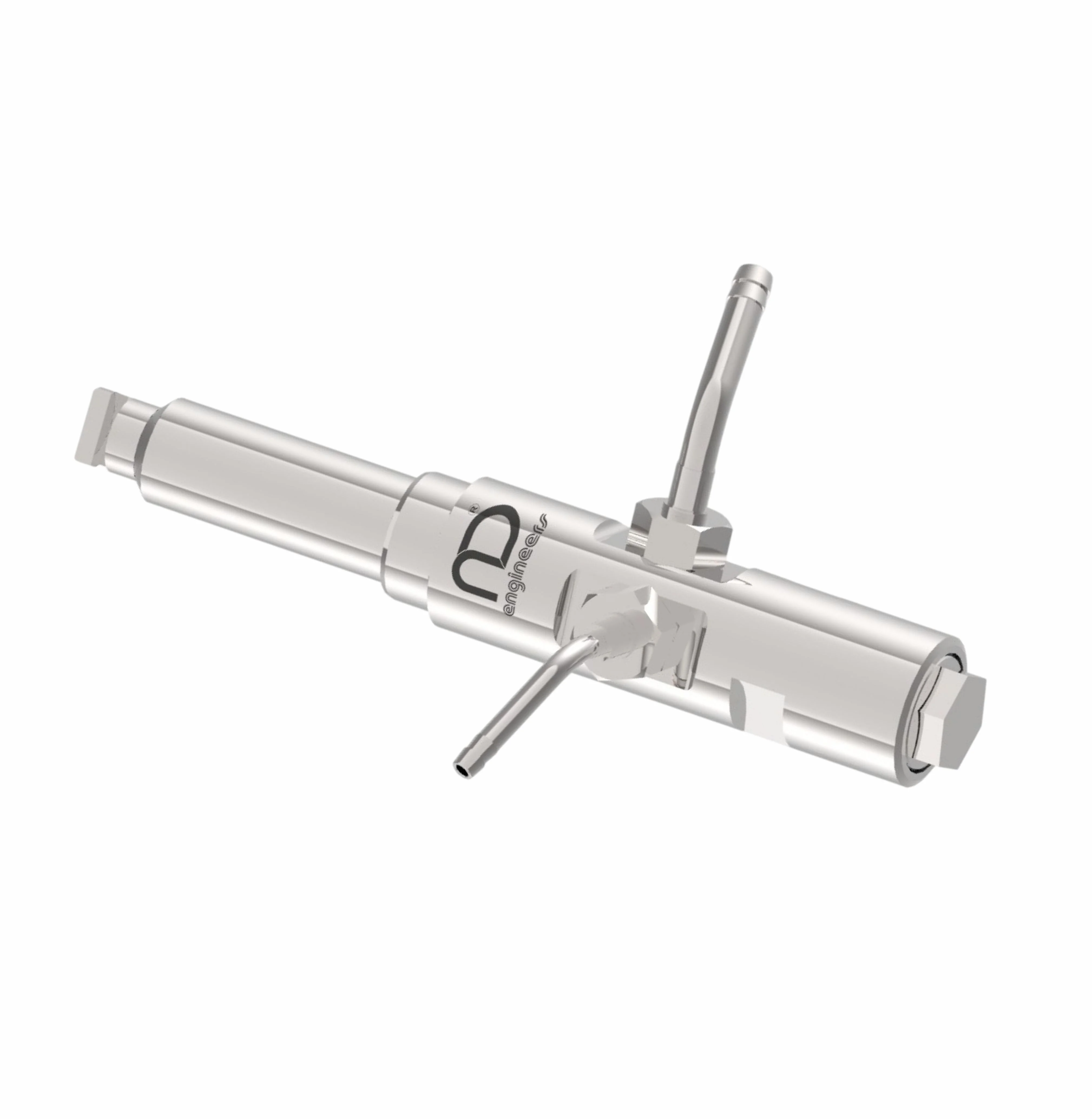
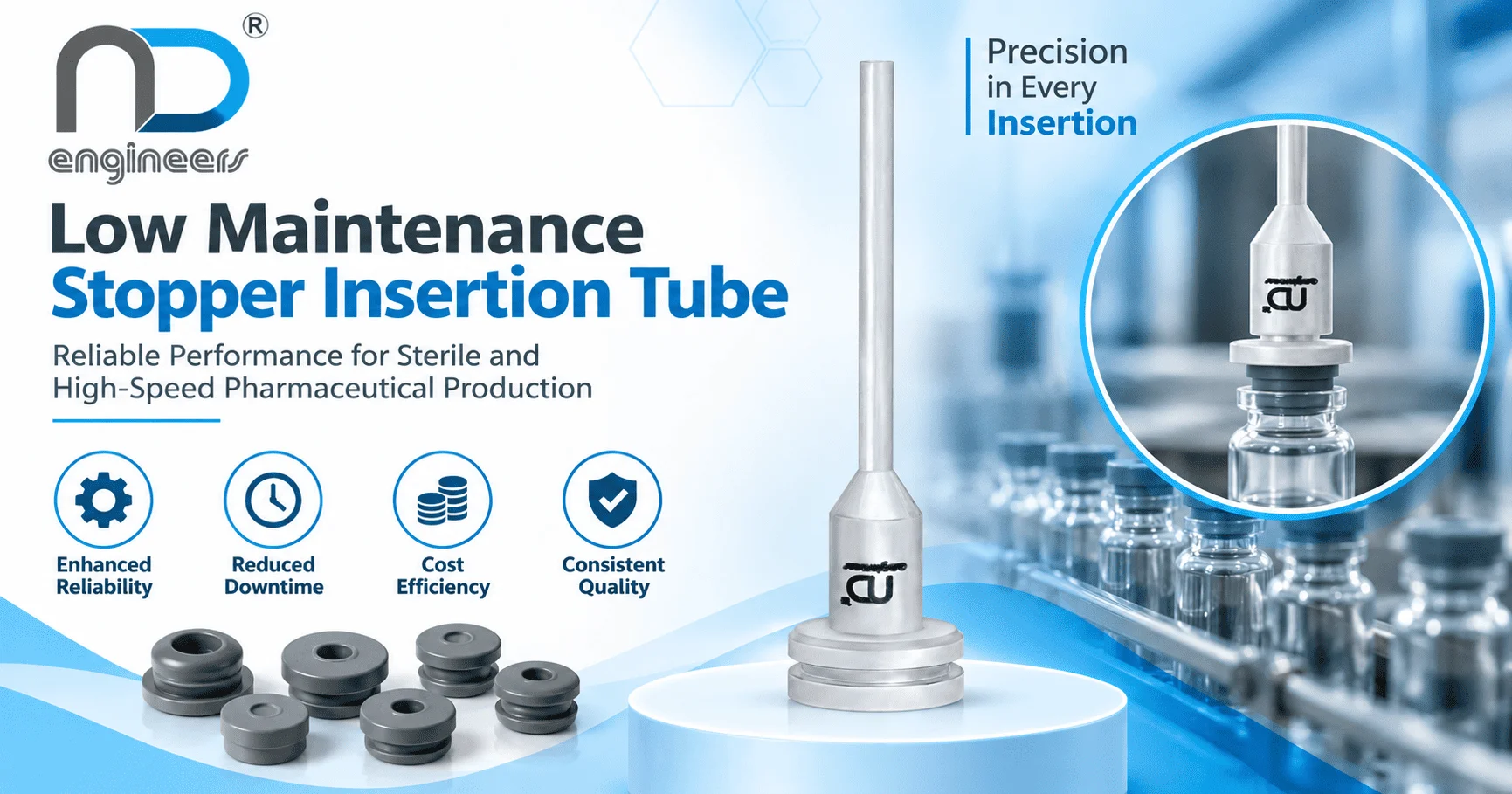
A stopper insertion tube is a precision-engineered component essential for automated pharmaceutical filling and stoppering operations. Its primary function is to accurately and consistently place rubber stoppers onto vials, syringes, or other pharmaceutical containers. This precise placement is crucial for achieving a secure seal, preventing contamination, and maintaining the sterility of the product within. These tubes are indispensable in aseptic environments, often working in conjunction with advanced barrier systems like Restricted Access Barrier Systems (RABS) and isolators to meet stringent Good Manufacturing Practice (GMP) requirements.
The process of inserting a stopper typically involves two main techniques: vented placement and vacuum placement. While the specifics of which technique is employed by a particular manufacturer's equipment can vary, the stopper insertion tube itself is designed to facilitate the accurate positioning of the stopper. A key consideration in stopper insertion is to avoid defects such as 'product on stopper,' which can occur if the tube is inserted too deeply, causing product transfer. High-quality stopper insertion tubes are designed to minimize such risks through precise dimensions and smooth surface finishes.
Applications and Use Cases
The primary application for stopper insertion tubes is in automated filling lines for parenteral drugs, vaccines, and other sterile pharmaceuticals. These components are integral to machines designed for high-speed, aseptic processing.
Key Applications:
- Vial Filling and Stoppering: In sterile vial filling lines, stopper insertion tubes ensure that stoppers are accurately placed onto vials after filling, forming a critical seal.
- Syringe Filling and Stoppering: For pre-filled syringes, these tubes are used to place stoppers at the precise point required, ensuring dosage accuracy and container integrity.
- Aseptic Processing: Their use is fundamental in maintaining the sterile environment required for producing injectable drugs and biologics, working alongside barrier technologies.
- High-Volume Production: The demand for low maintenance components is particularly high in facilities with high-volume production, where minimizing downtime and operator intervention is crucial for efficiency and cost-effectiveness.
Benefits of Low Maintenance Stopper Insertion Tubes
The term "low maintenance" in the context of stopper insertion tubes translates to several tangible benefits for pharmaceutical manufacturers:
Enhanced Reliability
Components designed for low maintenance are typically built with superior materials and precision engineering, leading to fewer breakdowns and consistent performance over time.
Reduced Downtime
Less frequent need for adjustment, cleaning, or replacement directly translates to less production line downtime, boosting overall throughput.
Cost Efficiency
Lower maintenance needs reduce labor costs associated with upkeep and minimize the expense of unexpected repairs or part replacements.
Consistent Quality
Reliable component performance ensures that stoppers are placed consistently, reducing the incidence of defects and contributing to the quality of the final pharmaceutical product.
Buyer's Guide: Selecting a Stopper Insertion Tube
Choosing the right stopper insertion tube is critical for ensuring the efficiency and integrity of your pharmaceutical filling process. Consider the following factors:
Key Selection Criteria:
- Material Quality: The tube should be made from materials that are durable, corrosion-resistant, and compatible with pharmaceutical manufacturing environments and cleaning agents.
- Precision Engineering: Look for components manufactured to tight tolerances. Accurate dimensions and a smooth finish are essential for proper stopper seating and to prevent defects.
- Design for Low Maintenance: Inquire about design features that contribute to longevity and reduce the need for frequent adjustments or cleaning. This might include specific surface treatments or robust construction.
- Compatibility: Ensure the stopper insertion tube is compatible with your existing filling and stoppering machinery, including the type of stoppers used (e.g., material, size).
- Supplier Reputation: Partner with a reputable manufacturer known for producing high-quality pharmaceutical components and offering reliable support.
Buyer Insight:
When evaluating a 'low maintenance' claim, consider the materials and manufacturing precision. High-quality stainless steel or specialized alloys, coupled with extremely tight dimensional control and polished finishes, are strong indicators of a component designed for durability and minimal wear, thereby reducing maintenance needs.
Questions to Ask Before Buying:
Before making a purchase decision, it is advisable to ask potential suppliers the following questions:
What materials are used in the construction of your stopper insertion tubes?
Understanding the material composition is key to assessing durability, chemical resistance, and suitability for aseptic processing.
What are the typical tolerances for your stopper insertion tubes?
Tight tolerances are crucial for consistent stopper placement and minimizing the risk of product defects.
Can you provide details on the manufacturing process that contributes to the 'low maintenance' aspect?
Inquire about specific design features, surface treatments, or quality control measures that enhance longevity and reduce operational upkeep.
What is the typical lifespan or expected performance of your stopper insertion tubes under normal operating conditions?
While specific guarantees may not be provided, understanding expected performance can help in long-term planning.
Are your stopper insertion tubes compatible with standard stopper sizes and types used in the industry?
Confirming compatibility ensures seamless integration into your existing processes.
Premium Stopper Insertion Tubes from ND ENGINEERS
NavDurga Engineers (ND ENGINEERS) is dedicated to manufacturing premium spares and accessories for the pharmaceutical and packaging industries. Established in 2010 in Ahmedabad, India, ND ENGINEERS has positioned itself as a trusted provider of high-quality components. Their range of products includes sophisticated dosing pumps, volumetric syringes, jacketed needles, and critically, premium stopper insertion tubes.
ND ENGINEERS understands the stringent requirements of pharmaceutical manufacturing. Their commitment to quality ensures that their stopper insertion tubes are manufactured with precision, focusing on delivering reliable performance essential for sterile filling and stoppering processes. By providing components designed for optimal function, ND ENGINEERS helps pharmaceutical companies maintain high standards of production, minimize operational disruptions, and ensure the integrity of their final products. Their focus on quality manufacturing makes them a valuable partner for businesses seeking dependable pharmaceutical machinery spares.
Frequently Asked Questions
What is the primary function of a stopper insertion tube?
The primary function of a stopper insertion tube is to accurately and consistently place rubber stoppers onto pharmaceutical containers like vials or syringes during automated filling and stoppering processes, ensuring a secure seal and sterility.
Why is 'low maintenance' a desirable characteristic for these tubes?
Low maintenance is desirable because it reduces operational costs, minimizes production line downtime, decreases the need for frequent operator intervention, and contributes to overall manufacturing efficiency and reliability.
Can a stopper insertion tube affect product quality?
Yes, if not designed or used correctly, a stopper insertion tube can contribute to defects like 'product on stopper,' which occurs if the tube is inserted too deep. High-quality, precisely manufactured tubes help prevent such issues.
Are stopper insertion tubes used in both RABS and isolator environments?
Yes, stopper insertion tubes are critical components in aseptic processing environments, including those utilizing RABS and isolators, to maintain sterility and ensure GMP compliance.
Elevate Your Pharmaceutical Filling Process
Ensure the reliability and efficiency of your sterile filling operations with premium stopper insertion tubes. Invest in components designed for precision, durability, and minimal maintenance.
Contact ND ENGINEERS today to discuss your specific requirements and learn how our high-quality stopper insertion tubes can benefit your pharmaceutical manufacturing processes. Experience the difference that premium engineering makes.